
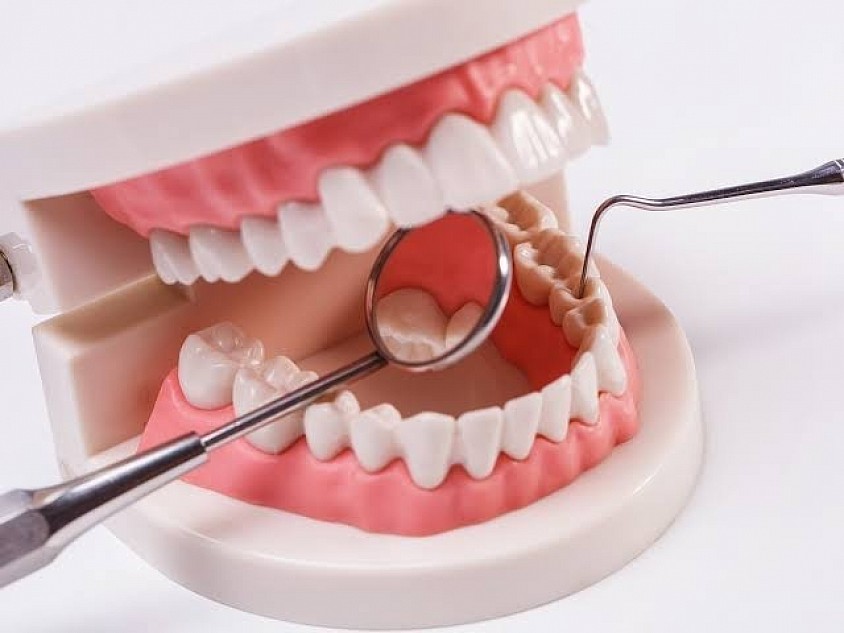
Why Healthy Smiles Begin With Everyday Awareness
Many people think about oral health only when they notice discomfort, but a healthy smile is usually the result of consistent daily attention rather than occasional effort. Visiting a Peoria dentist is an important part of maintaining oral wellness, yet the habits practiced every day often have the greatest influence on long term results. Brushing, flossing, eating balanced meals, and staying aware of changes inside the mouth all work together to support healthy teeth and gums. These routines do not require complicated techniques. Instead, they rely on consistency, patience, and an understanding that small actions repeated over time can make a meaningful difference. Developing awareness about oral health allows individuals to make informed choices that support comfort and confidence throughout every stage of life. The Value of Paying Attention Every Day Oral health changes gradually, making daily awareness an important habit. Looking at the teeth and gums while brushing helps people become familiar with their normal appearance. This simple practice makes it easier to recognize changes that may deserve professional attention. Healthy gums generally feel comfortable, while clean teeth often appear free from noticeable buildup. Many people rush through their oral hygiene routine without paying attention to what they are cleaning. Slowing down for a few moments encourages better brushing and helps individuals notice small differences. Awareness also creates opportunities to improve habits before larger concerns develop. Rather than waiting for discomfort, paying attention each day supports preventive care and encourages long term oral wellness through simple observation and consistent routines. Simple Routines Create Lasting Results Good oral hygiene depends more on regular habits than complicated techniques. Brushing twice each day helps remove plaque before it remains on the teeth for extended periods. Flossing complements brushing by cleaning areas between the teeth where food particles and plaque often collect. Cleaning the tongue also contributes to a fresher feeling throughout the mouth. A routine becomes easier to maintain when it fits naturally into daily life. Morning brushing prepares the mouth for the day, while evening brushing removes the buildup that develops during daily activities. Consistency helps maintain cleaner teeth and healthier gums because plaque forms continuously. Small efforts completed every day often provide greater long term benefits than occasional intensive cleaning sessions. How Healthy Choices Support the Mouth Nutrition and hydration influence oral health throughout every day. Drinking water regularly helps rinse away food particles while supporting natural saliva production. Saliva plays an important role in maintaining moisture inside the mouth and helping reduce leftover debris after meals. Balanced meals containing fresh vegetables, fruits, dairy products, and other nutritious foods contribute to healthy teeth and gums. Limiting frequent sugary snacks allows the mouth time to recover between meals. Healthy eating patterns benefit the entire body while creating a better environment for oral wellness. Instead of focusing on restrictions, building consistent nutritional habits supports stronger long term oral health through practical everyday choices. The Connection Between Healthy Gums and Strong Teeth Healthy gums provide the foundation that supports every tooth. While people often focus on keeping teeth clean, caring for the gums deserves equal attention. Plaque naturally collects along the gumline, making gentle brushing and daily flossing valuable parts of every oral care routine. Healthy gums help stabilize teeth while contributing to comfortable chewing and speaking. Paying attention to gum health encourages individuals to notice changes early and seek professional guidance when needed. Maintaining healthy gums also supports the overall appearance of a smile because healthy tissue frames natural teeth. Strong gums and clean teeth work together to create a comfortable, functional smile that continues serving people throughout life. Creating Habits That Last for Years Healthy routines become easier when they are practiced consistently over time. Families who encourage children to brush and floss regularly often help establish habits that continue into adulthood. Adults also benefit from maintaining structured routines despite busy schedules because consistency remains one of the most effective approaches to oral care. Preventive attention allows people to focus on maintaining oral health rather than reacting to concerns after they develop. Every positive habit, from drinking more water to brushing before bedtime, contributes to healthier teeth and gums over time. A healthy smile supports comfortable eating, confident communication, and positive everyday experiences. By practicing thoughtful daily routines and remaining aware of oral health, individuals create lasting benefits that continue throughout different stages of life. Member Spotlight
Sunrise Dental Arizona
7505 W. Deer Valley Rd Suite 100
Peoria, AZ 85382-2107
623-487-4870
https://sunrisedentalarizona.com/
A healthy smile is easier to maintain when preventive care is combined with consistent home routines. Visiting a Peoria dentist supports long term oral wellness through cleanings, preventive care, and regular evaluations that help monitor changes over time. When treatment becomes necessary, services such as fillings, dental crowns, bridges, dental implants, root canals, dentures, extractions, and emergency dentistry help restore comfort and function. Family dentistry encourages healthy habits for children, adults, and older individuals while promoting regular oral care at home. Cosmetic dentistry services including teeth whitening and dental veneers may improve the appearance of natural smiles while maintaining confidence. Daily brushing, flossing, balanced nutrition, and professional preventive care work together to support healthier teeth and gums. Consistent attention to these habits creates a practical approach that helps preserve comfortable, functional smiles for many years.
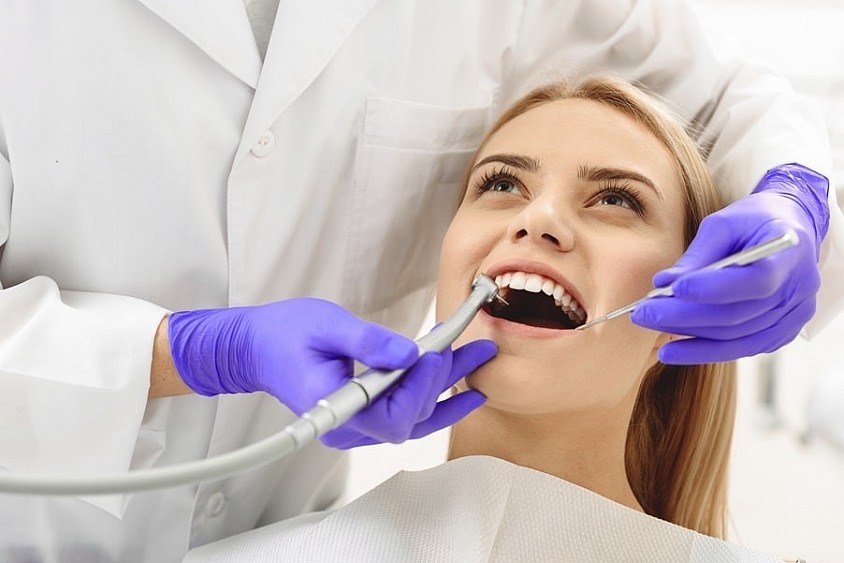
How Consistent Oral Care Supports a Healthier Smile with a Focus on Peoria dentist
Maintaining a healthy smile requires regular attention and thoughtful daily habits. While many people only think about dental care when discomfort appears, oral health is something that benefits from steady care throughout life. Visiting a Peoria dentist regularly is one part of a complete approach, but what happens between appointments is just as important. Brushing, flossing, making nutritious food choices, and responding to small dental concerns early all contribute to protecting teeth and gums for the future. Good oral health also supports confidence, comfortable eating, and clear speech, making it an important part of overall wellness.
Daily Habits Make the Biggest Difference
The health of your teeth is largely influenced by the small habits you repeat every day. Brushing twice daily with fluoride toothpaste removes plaque before it has an opportunity to cause tooth decay or gum irritation. Brushing should cover every tooth surface using gentle movements rather than excessive force, since aggressive brushing may wear enamel or irritate gum tissue over time. Flossing is equally important because it reaches areas between the teeth where toothbrush bristles cannot clean effectively. Plaque that remains in these spaces can contribute to cavities and gum concerns if it is not removed consistently.
It is also helpful to replace toothbrushes regularly because worn bristles become less effective at cleaning teeth. Adding tongue cleaning to a daily routine can further improve oral hygiene by reducing bacteria that contribute to unpleasant breath. These simple daily practices require only a few minutes but can have a lasting impact on oral health.
Preventive Dental Care Protects Long Term Oral Health
Preventive care focuses on maintaining healthy teeth rather than waiting until treatment becomes necessary. Routine dental examinations allow dental professionals to evaluate the condition of the teeth, gums, and existing dental work while identifying changes that may not yet be noticeable. Professional cleanings remove tartar that cannot be eliminated with brushing and flossing alone, creating a cleaner environment that supports healthier gums.
Preventive visits also provide opportunities to discuss home care routines, nutrition, and any concerns that have developed since the previous appointment. Questions about tooth sensitivity, bleeding gums, or changes in oral health can often be addressed before they develop into larger issues. Regular preventive care encourages early intervention, which often helps preserve more natural tooth structure.
Nutrition Plays a Key Role in Oral Health
The foods and beverages consumed each day have a direct influence on oral health. Calcium rich foods support strong enamel, while fruits, vegetables, lean proteins, and dairy products provide nutrients that help maintain healthy gums and surrounding tissues. Drinking water throughout the day helps rinse away food particles and encourages healthy saliva production. Saliva naturally protects teeth by neutralizing acids and helping remove bacteria from the mouth.
Sugary snacks and beverages provide bacteria with the fuel needed to produce acids that weaken enamel. While occasional treats are part of many lifestyles, limiting frequent sugary snacks throughout the day helps reduce repeated acid exposure. Choosing healthier snack options and drinking water after meals can contribute to maintaining stronger teeth over time.
Understanding Restorative Dental Treatments
Even individuals with excellent oral hygiene may eventually require restorative dental care. Cavities, fractures, or missing teeth can occur despite consistent preventive efforts. Fillings restore teeth affected by decay while preserving healthy tooth structure whenever possible. Dental crowns strengthen weakened teeth and help restore normal chewing function after significant damage or treatment.
Root canals are performed when infection reaches the inner portion of a tooth. Instead of removing the tooth, treatment focuses on eliminating infection while preserving the natural tooth whenever appropriate. Bridges replace missing teeth by filling gaps within the smile, while dental implants provide another durable option that closely resembles natural teeth in appearance and function. Dentures continue serving as a dependable solution for individuals replacing several or all missing teeth, improving both comfort and daily function.
Cosmetic Dentistry and Smile Appearance
Many people choose cosmetic dentistry after establishing healthy teeth and gums. Cosmetic procedures focus on enhancing the appearance of the smile while maintaining oral health. Teeth whitening helps reduce staining caused by foods, beverages, and natural aging. Dental veneers improve the appearance of teeth affected by discoloration, uneven edges, or minor cosmetic imperfections.
Although cosmetic treatments improve appearance, they are most successful when combined with healthy daily habits and routine preventive care. Maintaining healthy gums and teeth supports longer lasting cosmetic results while contributing to overall oral wellness.
Family Dentistry Supports Every Stage of Life
Oral health needs naturally change over time. Young children benefit from learning healthy brushing and flossing habits while developing positive attitudes toward dental care. Teenagers continue preventive care as permanent teeth mature and daily routines evolve. Adults often focus on maintaining restorations and preventing future concerns, while older adults may require tooth replacement options or additional restorative care depending on changing oral health needs.
Family dentistry supports these changing needs by providing care that adapts throughout every stage of life. Consistent dental care encourages lifelong healthy habits that benefit every generation.
Responding Quickly to Dental Emergencies
Unexpected dental concerns sometimes require prompt attention. Severe tooth discomfort, broken crowns, damaged fillings, cracked teeth, or injuries involving the mouth may benefit from emergency dentistry. Seeking professional evaluation quickly often improves available treatment options while helping reduce discomfort and prevent additional complications.
Temporary home care measures may provide short term relief, but they should not replace professional assessment. Knowing when to seek emergency care helps protect both natural teeth and overall oral health.
Healthy Smiles Are Built Over Time
Maintaining a healthy smile is an ongoing process rather than a one time achievement. Daily brushing, flossing, nutritious eating, preventive care, and timely restorative treatment all work together to support strong teeth and healthy gums. Every positive choice contributes to preserving natural teeth while supporting comfortable chewing, confident communication, and long term oral wellness. Consistency remains one of the most valuable investments anyone can make in maintaining a healthy smile.
Member Spotlight
Sunrise Dental Arizona
7505 W. Deer Valley Rd Suite 100
Peoria, AZ 85382-2107
623-487-4870
https://sunrisedentalarizona.com/
Maintaining regular appointments with a Peoria dentist supports healthy teeth through preventive care and timely treatment whenever concerns arise. Professional cleanings help remove plaque and tartar while routine examinations monitor oral health over time. Fillings restore teeth affected by decay, dental crowns strengthen weakened teeth, and root canals help preserve natural teeth whenever possible. Dental implants, bridges, and dentures replace missing teeth while improving everyday function. Cosmetic dentistry includes teeth whitening and dental veneers for enhancing smile appearance, while family dentistry provides care for patients of all ages. Emergency dentistry offers prompt treatment when unexpected dental concerns occur. Combined with healthy daily habits, these services contribute to maintaining strong teeth, healthy gums, and lasting oral wellness.
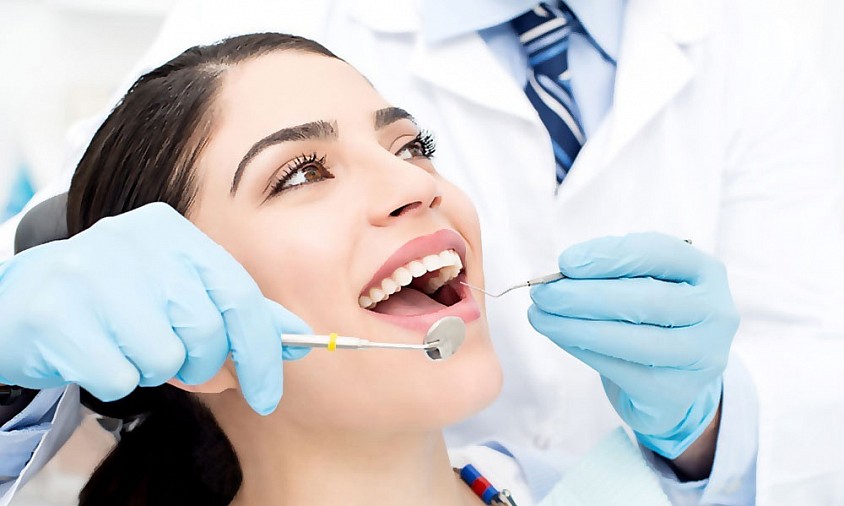
How Oral Health Awareness Changes With Age
Oral health needs and priorities often change throughout life. What matters to a child may be very different from the concerns of an adult or senior. As people move through different stages of life, their understanding of oral wellness usually evolves as well. Many residents looking for information from a dentistry Peoria AZ resource discover that awareness is one of the most important factors in maintaining a healthy smile over the years.
Oral health awareness is not simply about learning how to care for teeth. It also involves understanding how habits, lifestyle choices, and personal responsibilities influence long term wellness. By becoming more aware of these factors, individuals can make better decisions that support healthier outcomes throughout every stage of life.
Childhood Is the Foundation for Future Habits
The early years of life often shape habits that continue into adulthood. Children learn through observation, repetition, and guidance from parents and caregivers. When positive oral health practices are introduced early, they become familiar and easier to maintain over time. This foundation can influence how individuals approach oral wellness for decades.
Children who understand the importance of healthy habits are more likely to develop routines that support long term oral health. Awareness at this stage is usually simple and focused on learning why oral care matters. These early lessons encourage responsibility and help children view oral wellness as an important part of everyday life. As awareness grows, children begin to understand the connection between healthy habits and overall wellbeing.
Young Adults Face New Responsibilities
As individuals enter adulthood, they gain greater independence and responsibility for their personal health. This period often involves balancing education, work, family commitments, and other priorities. During busy stages of life, oral health awareness becomes increasingly important because daily routines can easily be disrupted.
Young adults benefit from understanding how lifestyle choices influence oral wellness. Factors such as nutrition, hydration, stress management, and self care habits can all contribute to oral health outcomes. Increased awareness encourages people to remain consistent with healthy routines even when schedules become demanding. The ability to recognize the long term value of preventive habits often becomes an important part of maintaining oral wellness during adulthood.
Middle Age Brings a Greater Focus on Prevention
As people move through middle age, many become more aware of the importance of prevention. Health often becomes a higher priority, and individuals may pay closer attention to habits that support long term wellness. Oral health awareness during this stage often involves understanding how years of daily choices can influence future outcomes.
Preventive thinking encourages people to focus on consistency rather than reacting to problems after they occur. Awareness allows individuals to recognize the importance of maintaining healthy habits even when no immediate concerns are present. This mindset supports long term oral wellness and promotes greater confidence in personal health decisions.
Middle age is also a time when many people serve as role models for younger family members. Their actions and attitudes toward health can influence future generations and encourage positive habits within the family.
The Value of Awareness in Later Years
Older adults often have a unique perspective on health because they have experienced the long term effects of lifestyle choices over many years. Awareness becomes especially valuable during this stage because maintaining oral wellness contributes to overall quality of life, comfort, and confidence.
Individuals who remain engaged in their oral health are often more likely to continue healthy routines and make informed decisions. Education remains important because new information and evolving recommendations can help people adapt their habits as needed. Staying informed encourages proactive thinking and supports long term wellness.
Awareness also promotes independence. Understanding oral health needs allows individuals to take an active role in maintaining their wellbeing and making choices that support a healthier future.
Building Lifelong Awareness for Better Oral Wellness
Oral health awareness is not limited to a specific age group. It is a lifelong process that evolves as people encounter new experiences and responsibilities. Each stage of life presents unique opportunities to learn, grow, and strengthen healthy habits.
Individuals who prioritize awareness often feel more confident in their ability to care for their oral health. They understand the value of prevention, consistency, and informed decision making. These qualities help support long term wellness and encourage healthier outcomes throughout life.
Toward the later stages of building lifelong oral health knowledge, many people find that information associated with dentistry Peoria AZ reinforces the importance of staying informed and adapting healthy habits as needs change over time. Awareness remains one of the most powerful tools for maintaining a healthy smile at every age.
Member Spotlight
Sunrise Dental Arizona
7505 W. Deer Valley Rd Suite 100
Peoria, AZ 85382-2107
623-487-4870
https://sunrisedentalarizona.com/
Long term oral wellness often depends on a combination of education, awareness, and access to professional dental care. Understanding available treatment options can help individuals make informed decisions that support their oral health goals. Cleanings play an important role in maintaining oral hygiene and removing buildup that daily routines may miss. Fillings help restore teeth affected by damage, while dental crowns can provide additional support and protection. Dental implants, bridges, and dentures offer solutions that can improve comfort and function for individuals experiencing tooth loss. Root canals may help preserve natural teeth, and extractions are sometimes necessary in specific situations. Teeth whitening and dental veneers can enhance smile appearance and boost confidence. Preventive care supports long term oral wellness, while emergency dentistry addresses urgent concerns when they arise. Family dentistry encourages healthy habits for people of all ages, and cosmetic dentistry provides options for improving smile aesthetics. Guidance from dentistry Peoria AZ can help individuals understand these services while supporting informed decisions that contribute to healthier smiles and improved quality of life for many years.
Common Habits That Might Be Harming Your Teeth
Many people follow a strict hygiene routine but are surprised when they still face challenges with their oral health. Often, the culprit is not a lack of effort but rather subtle daily habits that gradually wear down the protective layers of the mouth. From how we hold tension in our faces to the way we consume our favorite snacks, our lifestyle choices have a direct impact on our longevity. For those living in the local area, talking to a Peoria dentist can reveal how these small behaviors add up over time. Identifying these patterns is the first step toward making meaningful changes that protect your smile for the long haul without requiring massive lifestyle overhauls. Using Teeth as Tools for Daily Tasks It is incredibly tempting to use your teeth to tear open a bag of chips, pop a plastic cap, or even trim a loose thread on a garment. While it seems convenient in the moment, your teeth are designed for one primary purpose: chewing food. Using them as tools puts immense lateral pressure on the edges of the enamel, which can lead to microscopic fractures or even significant chips. Over time, these small structural failures can weaken the entire tooth, making it more prone to breaking during a normal meal. Breaking this habit requires conscious effort, but keeping a pair of scissors or a bottle opener handy can save your smile from unnecessary physical trauma. The Dangers of Constant Snacking and Grazing Every time you eat, the bacteria in your mouth produce acid as they break down carbohydrates. If you eat three distinct meals a day, your saliva has plenty of time to neutralize those acids and remineralize your enamel in between. However, if you graze on snacks throughout the day, your teeth are essentially sitting in an acidic environment for hours on end. This constant exposure prevents the natural repair process from taking place, leading to a much higher risk of enamel erosion. Choosing to have snacks in one sitting rather than over an extended period gives your mouth the "quiet time" it needs to recover and stay strong against bacterial attacks. Aggressive Brushing and Enamel Abrasion There is a common misconception that the harder you brush, the cleaner your teeth will be. In reality, brushing too vigorously can actually scrub away the thin layer of enamel and cause the gums to recede. This is known as toothbrush abrasion, and it often results in increased sensitivity to hot and cold temperatures. Once the enamel is worn away or the gums have pulled back, the softer roots of the teeth become exposed, which are much more vulnerable to decay. Using a soft bristled brush and a gentle, circular motion is far more effective at removing plaque than high pressure scrubbing. It is about the thoroughness of the coverage, not the force of the application. Biting and Chewing on Non Food Items Many people have "nervous habits" like chewing on the ends of pens, biting their fingernails, or even crunching on ice cubes. While these actions might help relieve stress in the short term, they are devastating for dental health. Ice, in particular, is incredibly hard and cold, which can cause the enamel to expand and contract rapidly, leading to "craze lines" or cracks. Chewing on hard plastic or metal objects can also wear down the biting surfaces of the teeth prematurely. Finding alternative ways to manage fidgeting, such as using a stress ball or chewing sugar free gum, can help protect your teeth from the mechanical wear and tear that leads to expensive repairs. The Role of Professional Oversight in Habit Change While self awareness is a powerful tool, having a professional perspective is essential for identifying damage that you cannot see in the mirror. A regular checkup allows for a detailed assessment of your bite and the wear patterns on your enamel. By working with a Peoria dentist, you can receive personalized feedback on which habits are causing the most concern and how to effectively pivot toward healthier choices. This collaborative approach ensures that you are not just treating symptoms but are actually addressing the root causes of dental wear. Long term health is achieved through a combination of professional guidance and the daily discipline of avoiding harmful habits that compromise your natural strength. Member Spotlight Sunrise Dental Arizona 7505 W. Deer Valley Rd Suite 100 Peoria, AZ 85382-2107 623-487-4870 https://sunrisedentalarizona.com/ Taking care of your teeth involves a balance of good habits at home and the expert care provided by a Peoria dentist who understands your specific needs. When you visit a professional, you have access to a wide variety of treatments that help maintain a healthy and vibrant mouth. This includes essential preventive care and regular cleanings that are the first line of defense against plaque and tartar. For those who have experienced damage from habits or decay, options like fillings and dental crowns can restore the structure of the tooth, while root canals and extractions are available to handle more serious infections or pain. If you are missing teeth, modern solutions such as dental implants, bridges, and dentures can help you regain your confidence and chewing ability. Families also appreciate the convenience of family dentistry, which covers everything from pediatric care to cosmetic dentistry, including popular options like teeth whitening and dental veneers. Whether you need help with a sudden toothache through emergency dentistry or just want to keep your smile looking its best, having a trusted partner in your oral health journey makes all the difference for your future well-being.
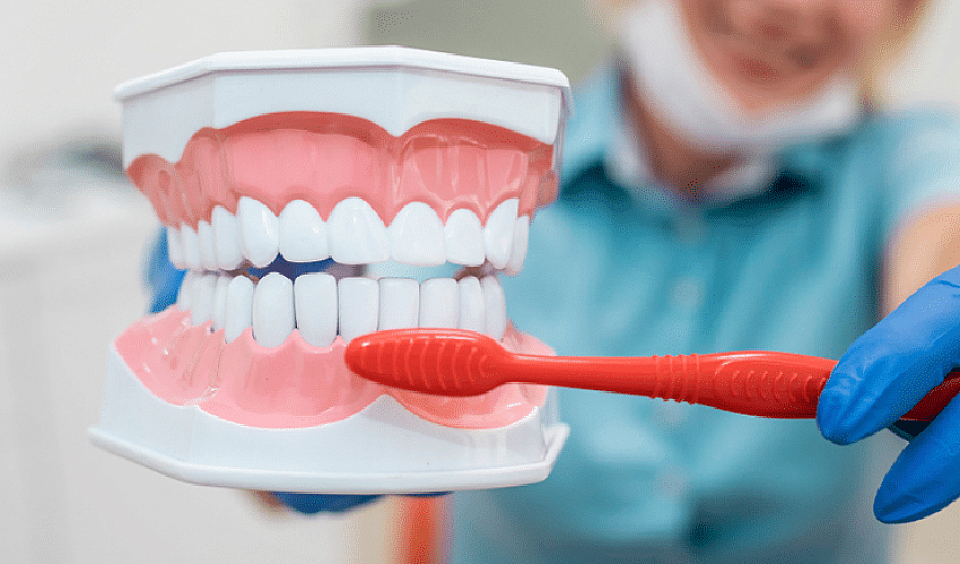
Understanding How Quiet Mornings Improve Oral Awareness
Why the first quiet moments of the day matter
The way a morning begins often shapes how clearly a person notices oral comfort throughout the rest of the day. When mornings are rushed, brushing becomes mechanical and people rarely notice small changes such as dryness, tenderness, or a slightly different feeling while speaking. A slower beginning creates room for awareness because the mouth is often easiest to observe before breakfast, before conversation, and before outside distractions take over. In many daily routines, that quiet first period lasts only a few minutes, yet those minutes often reveal whether the previous evening supported comfort well. During discussions about practical oral habits, Peoria dentist is often mentioned when people ask why morning awareness can reveal more than expected. Overnight, the mouth has been in a resting state, and this makes small sensations easier to notice. A person may realize one area feels rougher than usual or that hydration is needed earlier than normal. These observations become valuable not because they suggest something serious, but because they help build a better understanding of how ordinary habits affect oral balance over time.
How breathing patterns during sleep influence the morning
Many people wake with different oral sensations depending on how they breathed during sleep. If breathing happened mostly through the mouth, dryness often appears immediately after waking. If sleep was deeper and more settled, the mouth may feel more comfortable and neutral. These differences are often connected to room temperature, sleeping position, and late evening habits. A dry room can create a stronger feeling of tightness around the lips and gums by morning, while cooler air sometimes changes how moisture feels inside the mouth. A quiet morning helps reveal these differences because they are easiest to notice before drinking water or brushing. People who begin their day calmly often identify patterns across several mornings and understand that oral comfort is linked to the whole night, not only the brushing routine before bed. This awareness encourages more thoughtful evening choices because morning feedback becomes clearer.
The value of drinking water before conversation
Speaking immediately after waking often makes dryness more noticeable because the mouth has not yet regained its daytime moisture level. A simple glass of water before conversation often changes comfort quickly and allows speech to feel easier. Many people do not realize how much early speech reflects overnight dryness until they begin noticing the difference between mornings with water and mornings without it. This first glass also creates a useful pause before brushing because it allows the mouth to settle naturally. In quiet households, that moment may become a peaceful habit that supports the rest of the morning. Water before speaking also helps people notice whether certain mornings feel unusually dry, which can point back to evening meal timing, room air, or reduced hydration the day before.
Why calm brushing reveals more than rushed brushing
Brushing in silence often reveals details that disappear when the mind is elsewhere. The feel of the brush near the gumline, the texture of each tooth surface, and the response of soft tissue all become clearer when brushing is not rushed. A person may notice one side feels slightly more sensitive or that certain areas require more attention than usual. This does not mean there is a concern, but it strengthens familiarity with what feels normal. Familiarity makes changes easier to notice later. Calm brushing also reduces unnecessary force because people naturally move more gently when they are attentive. Over time, this habit often improves comfort because the mouth responds well to steady, careful movements.
How quiet mornings affect food choices later
Morning awareness often changes food choices without effort. Someone who notices dryness early may choose water before coffee or eat more slowly at breakfast. A person who notices tenderness may naturally avoid biting too quickly into hard textures until comfort returns. These choices happen more naturally when mornings begin with awareness rather than hurry. A calm beginning often leads to better chewing and slower meal pacing through the rest of the day because the mouth has already received attention before the first meal begins.
Building a morning pattern that lasts
The strongest morning habits are usually simple enough to repeat every day. Water, quiet brushing, and a short moment of awareness before breakfast often provide enough structure. Over time, this pattern becomes automatic and helps the mouth begin each day with more comfort and clarity.
Member Spotlight
Sunrise Dental Arizona
7505 W. Deer Valley Rd Suite 100
Peoria, AZ 85382-2107
623-487-4870
https://sunrisedentalarizona.com/
A quiet morning often helps people understand why preventive habits become easier to maintain when comfort is noticed early rather than only after discomfort appears. Someone who pays attention each morning may later connect those observations with conversations involving Peoria dentist while learning how cleanings support steady oral comfort across changing routines. Fillings often make more sense when a person already understands where food tends to settle after breakfast. Dental crowns and bridges can also become part of future planning when chewing awareness improves over time. Some people begin asking about dentures or dental implants after realizing how daily comfort affects confidence during ordinary meals. Preventive care remains central because small morning observations often reduce the chance that sudden discomfort leads to emergency dentistry concerns. Teeth whitening and dental veneers may also feel more meaningful when the day already begins with strong awareness and calm daily habits. Family dentistry supports these routines because every age benefits from simple morning consistency that fits real schedules.
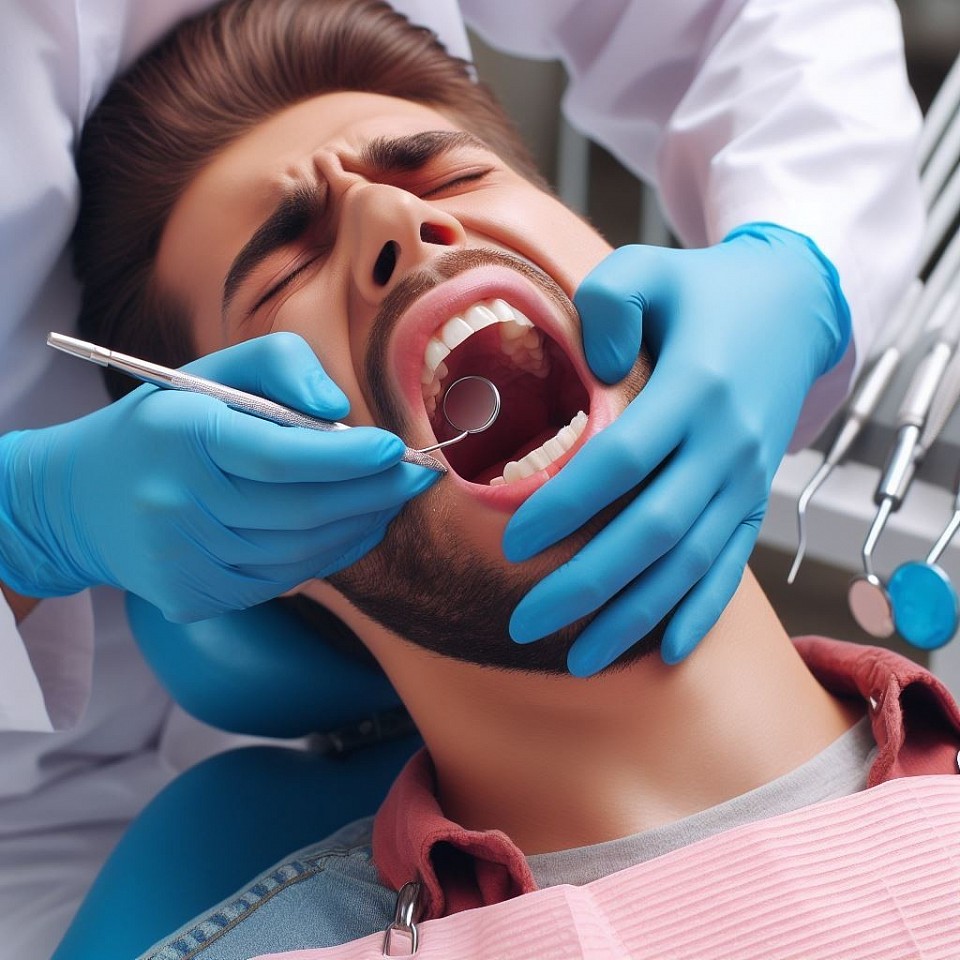
The Impact of Hydration on Oral Health and Comfort
Why Hydration Matters for the Mouth
Hydration is commonly associated with overall health, but it also plays a crucial role in maintaining oral comfort and stability. The body depends on adequate water intake to support many essential processes, including saliva production. During discussions about oral health habits, individuals often learn from a dentistry Peoria AZ professional that hydration directly affects how well the mouth protects itself against bacteria.
Water helps maintain moisture in the mouth, which allows saliva to perform its protective functions. When the body remains well hydrated, saliva can effectively rinse away food particles and maintain a balanced environment in the mouth. Without enough hydration, the mouth may feel dry and uncomfortable.
A dry mouth environment can allow bacteria to multiply more easily. This imbalance may gradually affect oral health if hydration levels remain low for extended periods.
The Protective Role of Saliva in Oral Health
Saliva serves as a natural defense system that helps maintain the health of teeth and gums. It contains minerals that help maintain the strength of enamel while also neutralizing acids produced by bacteria. These protective functions rely on consistent saliva production throughout the day.
When saliva flows normally, it helps wash away leftover food particles that remain after eating. This process helps reduce the amount of bacteria that remain in the mouth. Saliva also supports oral comfort by keeping tissues moist and lubricated.
Without adequate hydration, saliva production may decrease. When this happens, the mouth may struggle to maintain its natural balance. Bacteria may become more active, which increases the chance of irritation or enamel damage.
Signs That the Mouth May Be Dehydrated
Dry mouth is one of the most noticeable signs of dehydration in the oral environment. People who experience dry mouth may notice a sticky feeling in the mouth or difficulty swallowing certain foods. Some individuals also experience persistent thirst or discomfort while speaking.
Reduced saliva can also cause food particles to remain on teeth longer. Without enough saliva to rinse them away, bacteria may begin breaking down those particles and producing acids. Over time, this can affect the strength of tooth enamel.
Persistent dryness may also lead to irritation in the soft tissues of the mouth. Lips and gums may feel uncomfortable when moisture levels remain low. Recognizing these signs can help individuals become more aware of their hydration habits.
Daily Habits That Support Healthy Hydration
Maintaining healthy hydration habits is relatively simple. Drinking water consistently throughout the day helps support saliva production and keeps the mouth comfortable. Carrying a water bottle can encourage regular hydration during busy schedules.
Limiting sugary beverages also helps protect oral health. Drinks that contain high amounts of sugar may contribute to bacterial activity in the mouth. Choosing water instead supports hydration without introducing substances that affect teeth.
Eating foods with high water content can also help maintain moisture levels. Fruits and vegetables naturally contain water and provide nutrients that support overall health. These foods can contribute to better hydration and improved oral comfort.
Long Term Benefits of Staying Hydrated
Staying hydrated supports the body in many ways, including maintaining oral health. Adequate hydration helps the mouth maintain a balanced environment where bacteria remain under control. When saliva functions effectively, it protects teeth and gums from harmful substances.
People who maintain healthy hydration habits often experience improved oral comfort. Their mouth feels less dry and more balanced throughout the day. Saliva can continue performing its protective role without interruption.
Over time, consistent hydration contributes to stronger teeth and healthier oral tissues. This simple habit supports both comfort and long term oral health.
Member Spotlight
Sunrise Dental Arizona
7505 W. Deer Valley Rd Suite 100
Peoria, AZ 85382-2107
623-487-4870
https://sunrisedentalarizona.com/
Hydration is an important part of maintaining a balanced and comfortable oral environment. When individuals drink enough water throughout the day, saliva production remains steady and helps protect teeth from bacteria and acids. Saliva also helps rinse away food particles and supports the strength of tooth enamel. Learning about the role of hydration often encourages people to develop healthier daily habits. Discussions about oral health frequently include preventive care awareness, family dentistry education, and cosmetic dentistry knowledge that help individuals understand the connection between daily routines and oral wellness. People also become familiar with treatments such as cleanings, fillings, dental crowns, dental implants, dentures, bridges, dental veneers, root canals, teeth whitening, and extractions when exploring dental care topics. Emergency dentistry awareness can further highlight the importance of maintaining healthy oral conditions before concerns develop. Guidance from dentistry Peoria AZ professionals often helps individuals understand how hydration habits influence oral health. When people remain mindful about drinking water and maintaining consistent oral hygiene routines, they support a healthier mouth and long term oral comfort.
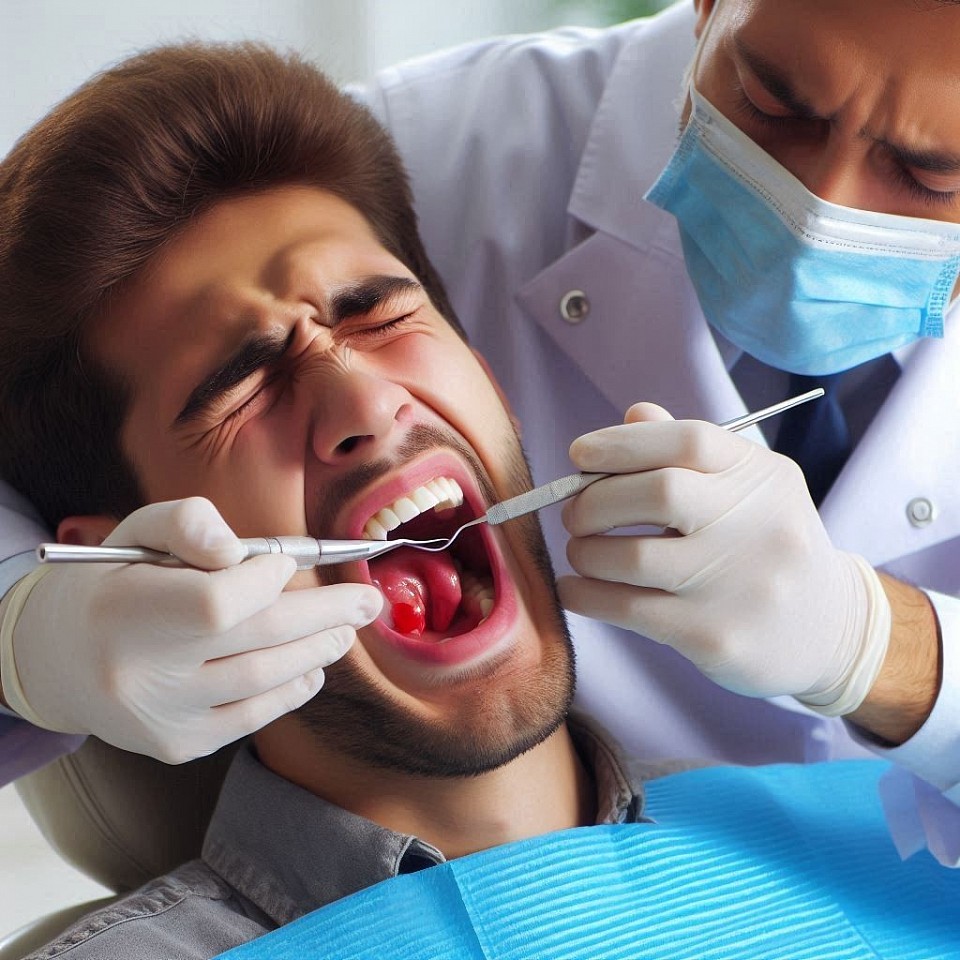
Understanding Root Canal Treatment and Tooth Preservation in Peoria
Tooth pain can be one of the most stressful experiences, especially when it interferes with eating, sleeping, or focusing during the day. In Peoria, many patients turn to a trusted Peoria dentist when discomfort becomes persistent or severe. One of the most effective ways to save a damaged tooth and restore comfort is root canal treatment. Although root canals are often misunderstood, they play a major role in modern dentistry by helping patients keep their natural teeth instead of losing them.
Root canal care is designed to treat infection or inflammation inside the tooth. When performed in time, it can prevent complications, reduce pain, and protect long-term oral health. Understanding how root canals work helps patients feel more prepared and less anxious about the process.
Why Root Canals Are Sometimes Necessary
A root canal becomes necessary when the inner pulp of the tooth is infected or inflamed. This may happen because of deep decay, repeated dental work, cracks, or trauma. The pulp contains nerves and blood vessels, so when it becomes irritated, patients may experience sharp pain, sensitivity, or swelling. Without treatment, infection can spread and may lead to tooth loss. Root canal treatment removes the damaged tissue and seals the tooth, helping prevent further problems. For Peoria residents, root canals are an important service because they preserve natural teeth and restore comfort.
How Root Canal Treatment Protects Natural Teeth
Saving natural teeth is one of the main goals of dentistry. A root canal allows a tooth to remain in place instead of being extracted. During the procedure, the infected pulp is removed, and the inside of the tooth is cleaned and sealed. This stops infection and allows the tooth to function normally again. Keeping the natural tooth helps maintain proper chewing, prevents shifting of nearby teeth, and supports jaw health. Root canal care is a valuable option because it often avoids the need for tooth replacement solutions.
Dental Crowns After Root Canal Care
After a root canal, a tooth may need extra strength because the inner tissue has been removed. Dental crowns are commonly used to protect and restore the tooth’s structure. A crown covers the tooth and provides stability for chewing and daily use. Crowns also help prevent cracking or damage in the future. For many patients, the combination of root canal treatment and a crown offers long-term comfort and protection. This approach supports both oral health and confidence in everyday life.
Preventive Care Reduces the Need for Root Canals
While root canals are effective, preventive dentistry helps reduce the chances of needing them. Regular cleanings remove plaque buildup that can lead to cavities. Routine exams detect decay early, before it reaches the deeper parts of the tooth. Fillings can restore teeth quickly when cavities are small. Preventive care is one of the best ways families can avoid major dental discomfort. Peoria residents who stay consistent with dental visits often find that they experience fewer urgent issues over time.
Fillings and Restorative Dentistry Support Tooth Health
Fillings are one of the most common restorative treatments used to stop cavities from spreading. When decay is removed early, fillings protect the tooth and restore normal chewing. Larger restorations, such as crowns, may be needed if the tooth has more extensive damage. Restorative dentistry works closely with preventive care to maintain strong teeth. These services help patients avoid complications that could lead to root canals or extractions.
When Extractions and Tooth Replacement Become Necessary
In some cases, a tooth may be too damaged to save, and extraction becomes the best option. Severe infection or advanced decay may make preservation impossible. After extraction, tooth replacement options such as dental implants, bridges, or dentures help restore function and appearance. Dental implants provide strong support, bridges fill gaps using neighboring teeth, and dentures offer solutions for multiple missing teeth. While saving natural teeth is preferred, replacement options ensure patients can still enjoy a complete and comfortable smile.
Emergency Dentistry and Root Canal Relief
Root canal treatment is often part of emergency dentistry because it can provide relief from severe tooth pain. When infection causes swelling or discomfort, timely care prevents the problem from worsening. Emergency dentistry helps patients address urgent issues quickly, restoring comfort and protecting long-term oral health. Peoria families value having access to emergency services that support both immediate relief and future wellness.
Root canal treatment is one of the most important ways dentistry helps patients preserve natural teeth. Peoria residents benefit from understanding that root canals are not about discomfort, but about saving smiles and restoring health. Toward the end of treatment planning, many patients feel reassured knowing a trusted Peoria dentist can provide care that supports comfort and long-term stability.
Member Spotlight
Sunrise Dental Arizona
7505 W. Deer Valley Rd Suite 100
Peoria, AZ 85382-2107
623-487-4870
https://sunrisedentalarizona.com/
Sunrise Dental in Peoria, AZ, offers comprehensive dental crown treatments to restore the function and appearance of damaged teeth. Our Peoria dentist ensure each crown is custom-fit and provides long-lasting protection. We focus on patient comfort, precise treatment, and long-term oral health for healthy, confident smiles.
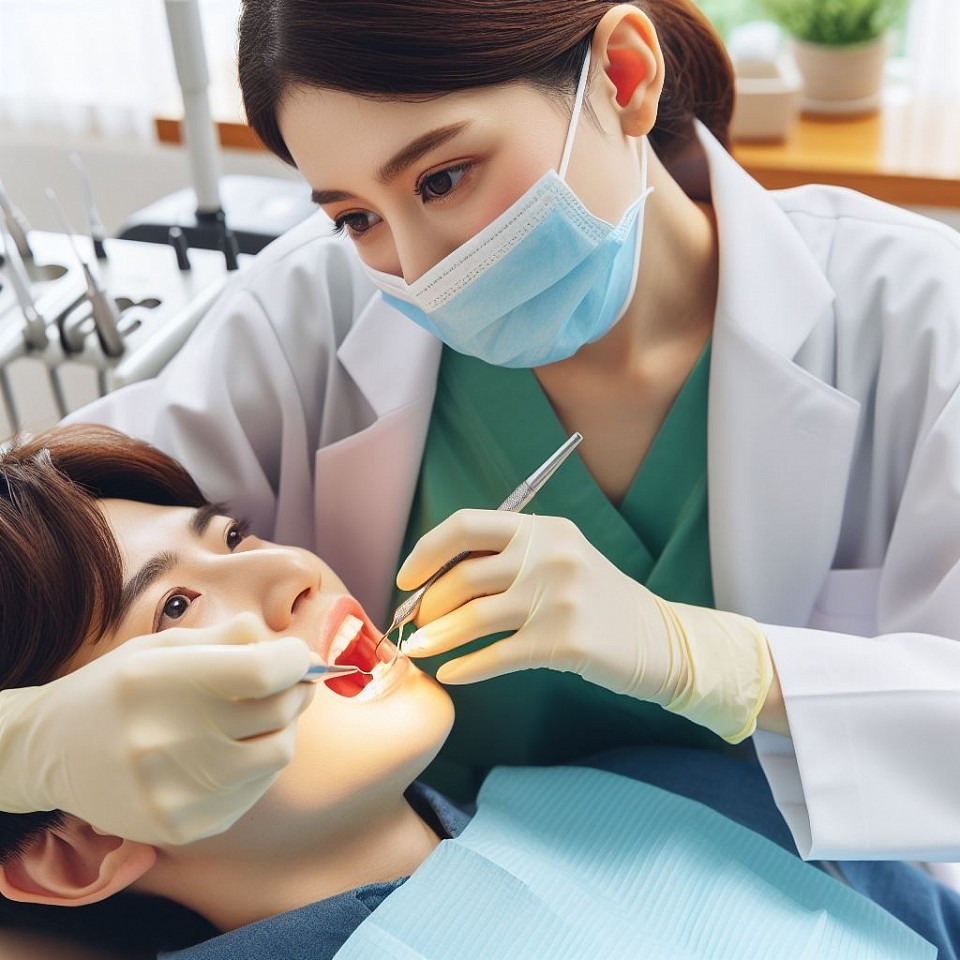
Teeth Whitening for a Brighter Smile in Peoria
Professional Teeth Whitening Services
Peoria dentist services include teeth whitening treatments designed to enhance the brightness and appearance of natural teeth. Discoloration can result from coffee, tea, certain foods, aging, or lifestyle habits. Professional whitening treatments remove stains more effectively than over-the-counter products, providing patients with consistent, long-lasting results. Beyond aesthetics, a brighter smile can boost confidence and encourage better oral hygiene practices.
The Whitening Process
Professional teeth whitening begins with an evaluation by a Peoria dentist to determine the health and condition of teeth and gums. The process uses specialized solutions and techniques that safely lighten tooth enamel. Treatments are tailored to individual needs, ensuring that the whitening effect is even and natural-looking. Follow-up guidance on maintaining results helps patients enjoy a lasting improvement in the appearance of their smile.
Advantages of Professional Whitening
Compared to at-home whitening kits, professional treatments provide several advantages. Dentists can identify potential sensitivity issues, assess restorations such as crowns or fillings, and ensure that the procedure does not compromise oral health. Professional treatments also offer quicker results and can address deeper stains more effectively. Patients who receive professional whitening often notice a significant improvement in both aesthetics and overall confidence.
Maintaining Results After Whitening
After whitening treatments, maintaining a bright smile requires attention to daily oral hygiene. Brushing, flossing, and regular cleanings help prevent new stains from forming. Limiting foods and drinks that cause discoloration and using protective measures such as straws or rinse solutions can prolong results. A Peoria dentist provides individualized advice for ongoing care, helping patients retain the benefits of whitening treatments.
Cosmetic and Functional Benefits
Whitening treatments not only improve appearance but also encourage patients to maintain healthier teeth. A bright, attractive smile can motivate better oral hygiene practices, including regular brushing, flossing, and preventive check-ups. This combination of aesthetic and functional benefits makes teeth whitening an integral part of modern cosmetic dentistry.
Safety and Considerations
While teeth whitening is generally safe, it may not be suitable for everyone. Patients with sensitive teeth, existing restorations, or certain dental conditions should consult a dentist before treatment. A professional evaluation ensures that whitening procedures are effective without compromising oral health. The guidance of a Peoria dentist ensures safe, customized treatment plans that meet each patient’s unique needs.
Teeth Whitening for All Ages
Adults seeking cosmetic improvements can benefit significantly from whitening treatments. While children typically do not require whitening, teens may receive guidance on maintaining the natural color of their teeth. Family dentistry services ensure that patients of all ages develop good habits that support long-term oral health, complementing cosmetic enhancements like whitening.
Integration with Other Dental Services
Teeth whitening often complements other cosmetic or restorative procedures. Crowns, veneers, and bridges can be coordinated with whitening treatments to achieve uniform color and appearance. Preventive care, including regular cleanings and exams, ensures that results last longer and overall oral health is maintained. A Peoria dentist evaluates each patient to create a comprehensive plan that balances aesthetics and functionality.
Member Spotlight
Sunrise Dental Arizona
7505 W. Deer Valley Rd Suite 100
Peoria, AZ 85382-2107
623-487-4870
https://sunrisedentalarizona.com/
Sunrise Dental in Peoria, AZ, offers comprehensive dental crown treatments to restore the function and appearance of damaged teeth. Our Peoria dentist ensure each crown is custom-fit and provides long-lasting protection. We focus on patient comfort, precise treatment, and long-term oral health for healthy, confident smiles.